
The Ultimate Collection Of Products For Wood Cladding Painting
A comprehensive guide to the most effective products for enhancing and protecting your wood cladding surfaces.
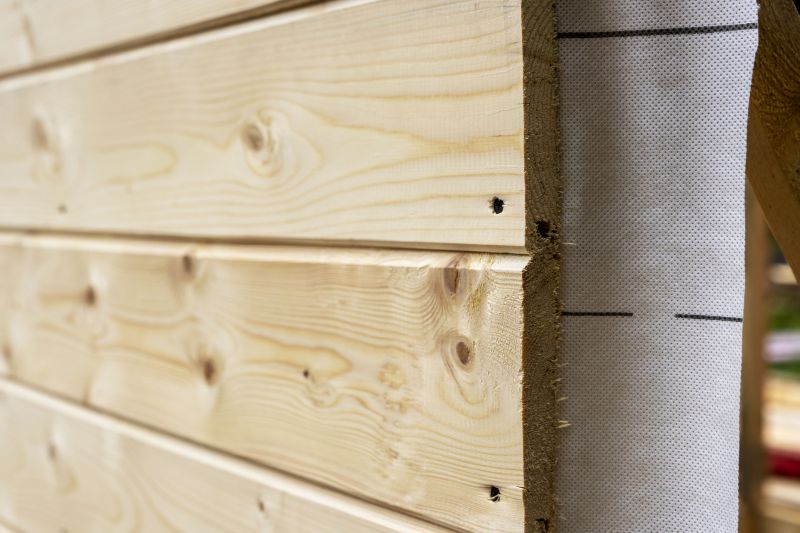 Wood cladding paintings can significantly enhance the aesthetic appeal of interior and exterior spaces by adding texture and visual interest. To achieve a durable and attractive finish, selecting the right products is essential. From primers and paints to protective coatings and decorative finishes, there is a wide array of options designed to suit various wood types and environmental conditions. Proper preparation and application are key to ensuring that the artwork remains vibrant and intact over time.
Top Overall Option
Multi-Purpose Wood Primer and Sealant
A versatile primer and sealant designed to prepare wood surfaces for painting and protect against moisture, ensuring a smooth, durable finish for wood cladding paintings. Its compatibility with various paints and finishes makes it suitable for both interior and exterior projects.
Types of Products For Wood Cladding Paintings
Acrylic Wood Paints
Water-based paints offering easy application and quick drying, suitable for detailed artwork and decorative finishes.
Oil-Based Paints
Durable paints known for their smooth finish and excellent adhesion, ideal for outdoor wood cladding art.
Wood Stains
Transparent or semi-transparent finishes that enhance natural wood grain while providing color and protection.
Clear Sealers and Varnishes
Protective coatings that add a glossy or matte finish, safeguarding artwork from moisture and UV damage.
Textured Mediums
Add depth and tactile interest to wood paintings with specialized mediums designed for layering.
Epoxy Coatings
Heavy-duty protective layers that create a high-gloss, durable surface for outdoor applications.
Chalk Paints
Matte finishes that provide a vintage or rustic look, suitable for artistic and decorative projects.
Lacquers
Fast-drying finishes that offer a hard, smooth surface, often used for high-end decorative work.
Spray Paints
Convenient options for quick coverage and smooth application, especially on large or detailed surfaces.
Specialty Artistic Mediums
Includes metallic, glitter, or iridescent paints for creative effects on wood cladding.
Outdoor Protective Coatings
Formulated specifically for exterior wood, providing resistance to weather and environmental factors.
Interior Decorative Finishes
Designed for indoor wood art, offering various textures and sheens for aesthetic versatility.
Antiquing and Aging Products
Products that create vintage or distressed effects to enhance artistic depth.
Eco-Friendly Paints and Finishes
Low-VOC options suitable for environmentally conscious projects, ensuring safety and quality.
Popular Choices
Widely used for their ease of use and versatile finish options, suitable for various artistic styles.
Known for their durability and smooth application, favored for outdoor wood projects.
Popular for highlighting natural grain and adding subtle color variations.
Commonly used to add a protective glossy or matte layer to finished wood art.
Preferred for quick coverage and smooth finishes, especially on complex surfaces.
Chosen for artistic effects that add dimension and tactile interest to wood surfaces.
Selected for high durability and glossy finish, especially in outdoor settings.
Popular for achieving vintage or rustic aesthetics with minimal prep.
Valued for their fast drying time and high-end finish, often used in decorative art.
Includes metallic and glitter paints that add creative flair to wood projects.
Frequently chosen to ensure longevity of exterior wood art against weather elements.
Popular for indoor projects, offering a variety of textures and sheens.
Used to create vintage or distressed effects on wood surfaces.
When working with wood cladding paintings, it is important to consider the surface condition and the desired look. Some products are formulated to penetrate deeply and offer a smooth, even surface, while others provide textured or matte finishes for a more rustic appearance. Additionally, weather resistance and longevity are critical factors for exterior applications, requiring products that withstand moisture, UV exposure, and temperature fluctuations. Choosing the right combination of products can help preserve the integrity and beauty of the wood art for years.
The selection process should also involve evaluating ease of use, drying times, and compatibility with other coatings or finishes. For those interested in creating layered or artistic effects, certain mediums and varnishes can add depth and protection. Whether you are a professional artist or a DIY enthusiast, understanding the different product types and their applications can lead to more satisfying results. Proper maintenance and periodic touch-ups can further extend the life of your wood cladding paintings, keeping them looking fresh and vibrant.
Ultimately, investing in quality products tailored to your specific project needs can make a noticeable difference in the final outcome. By carefully selecting the right primers, paints, sealers, and decorative finishes, you can achieve a stunning, durable work of art that complements your space and personal style.
Key Buying Considerations
- Compatibility with wood type and existing finishes
- Intended indoor or outdoor use
- Desired finish (glossy, matte, satin)
- Ease of application and drying time
- Level of protection against moisture and UV exposure
- Color retention and fade resistance
- Compatibility with artistic mediums or layering techniques
- Environmental conditions of the installation site
- Ease of cleaning brushes and tools
- Availability of color options and custom mixing
- Durability and longevity of the finish
- Health and safety considerations, such as VOC levels
- Budget constraints and overall project cost
- Ease of touch-up and maintenance